
An Introduction to REACH
The NAD Inclusion Initiative
Course Summary
The REACH (Reaching to Educate All Children for Heaven) initiative provides classroom teachers with resources, training, and on-going support in order to create an environment in which they can meet the various abilities of their students and reach their highest level of achievement. This online course introduces learners to the philosophy of inclusion and expands on the REACH process of gathering data on specific student characteristics, identifying and implementing instructional strategies, creating and implementing a Modified Action Plan, and collaborating with the local REACH team to address the learning needs of students to ensure learning for all.
What Will I Learn ?
The driving force behind REACH is the belief that every student can learn and experience success. This course will address ways to meet the diverse needs of all students through the implementation of strategies for specific learning and behavior characteristics, differentiation of instruction, and assessment practices.
What Do I Need to Know ?
This course includes video instruction, learning activities, resources and quizzes. After completing this course you will earn 1 CEU and a certificate of completion in your Adventist Learning Community e-portfolio.
Course Goals:
By the end of this course you will be able to:
- Embrace the inclusive mindset that all students can learn and achieve their full potential with appropriate interventions and accommodations that support their learning needs.
- Reflect on the philosophy of Adventist education and how it facilitates inclusion.
- Understand the REACH process and definition of inclusion.
- Become familiar with a range of evidence-based instructional strategies and resources, and learn to use them effectively to plan instruction that meets the diverse learning needs of students.
- Utilize the REACH manual and website as a resource for working with students with learning challenges.
- Understand the role and purpose of the REACH team.
- Develop a Measurable Action Plan to help plan and meet the needs of students with specific learning characteristics.
- Understand the law (IDEA) as it relates to learner’s rights and teacher responsibilities.
- Work with families and other school professionals to meet the diverse needs of students and facilitate learning.
- Identify and collaborate with stakeholders to create positive and supportive learning environments that promote learning and student success.
Instructor and Contributors:
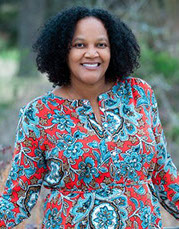
Davenia Lea
From the moment she began her first part-time job as a teacher’s assistant in a church operated daycare center, Davenia knew that she had a passion to work with young children. That job led her on a journey to study early childhood special education as an undergraduate at the University of Maryland, College Park and then to work as an early interventionist, working with children, birth-age three, who had varying disabilities for Prince Georges County Public Schools (MD). There she coordinated parent support groups, toddler groups, assessed children, made home visits and assisted to transition children into school-based programs. In 2007 she joined the team at Washington Adventist University (formerly Columbia Union College), where she served as the Director of Field Experiences for one year and the Chair of the Education Department for two years. In addition, she served as the Dean of the School of Graduate and Professional Studies (SGPS) for one year when she worked to establish governing policies and procedures, developed an online campus, added new graduate programs, and created and established a shared governance and collaboration amongst the academic and support departments across campus.
REACH Advisory and Course Contributors:
- Atlantic Union - Lileth Coke
- SDA Church in Canada - Lisa Stevens and Tracey Jamieson
- Columbia Union - Loida Doukmetzian and Evelyn Sullivan
- Lake Union - Sally Smith, Lori Aguilera and Sandy Hawkins
- North Pacific Union - Neria Sebastien
- Pacific Union - Kathleen Jefferson
- Southern Union - Mayra Rodriguez
- Southwestern Union - Donna Berkner
- Higher Education - Cheryl The (SWU)
Resources
When you have completed this module, please click ">Next" or navigate to Module 1 to continue.