Managing and Resolving Conflict
Course Summary
*This course is an abbreviated version of CHMN526-999 Conflict Management offered through the Seventh-day Adventist Theological Seminary Online Learning Center. It is offered on the Adventist Learning Community for the purpose of edification and continuing education credit. You can access the full course here for academic credit.
The purpose of this course is to clarify the value and challenge of conflict in the church. Conflict is a necessary aspect of community life, and when properly led, can be a generative force for change and organizational health. The pastor is the primary conflict intervention leader and will be equipped with resources and understanding of conflict dynamics that will enable her/him to effectively lead a congregation toward reconciliation and relational health.
What Do I Need To Know ?
After watching the videos, completing course learning materials, completing the learning activities, and taking short multiple choice quizzes, you’ll earn 1.5 continuing education units (CEU) and a training certificate.
What Will I Learn ?
By the end of this course, you will be able to analyze and determine the specific nature of a conflict and responsibly choose among several intervention options. Conflict analysis will include systems contributing or involved as well as established models that can determine where the primary catalyst of the conflict resides.
Course Learning Outcomes :
By the end of this course you will be able to:
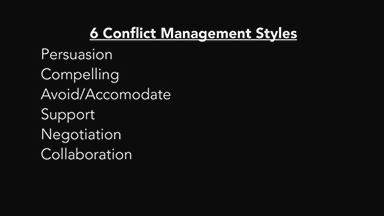
- Articulate the style options and intervention models available as choices for conflict intervention.
- Internalize the biblical principles related to forgiveness, reconciliation, and relational health.
- Demonstrate a non-anxious presence as a leader committed to guiding others through the trauma of conflict.

X
Book Endorsements :
It is highly recommended that you purchase these books.
Suggested Books or Resources :
- Furlong, G. T. (2005). The Conflict Resolution Toolbox: Models & Maps for Analyzing, Diagnosing, and Resolving Conflict. Mississauga, Ont.: J. Wiley & Sons, Canada. ISBN: 0470835176, (256 pages).
- Blue, K. (1993). Healing Spiritual Abuse: How to Break Free From Bad Church Experiences. Downers Grove, IL: Intervarsity Press. 166 pages. ISBN: 0830816607.
- Leas, S. (1997). Discover Your Conflict Management Style. Washington, D.C.: Alban Institute, (44 pages). ISBN: 1566991846.
- Cosgrove, C. H., & Hatfield, D. D. (1994). Church Conflict: The Hidden System Behind the Fights. Nashville: Abingdon.
- Lederach, J.P. (2014). Reconcile: Conflict Transformation for Ordinary Christians. Harrisonburg, VA: Herald Press. (191 pages) ISBN-13: 978-0836199031

Instructor Bio:
Dr. Stanley Patterson, PhD
Dr. Stanley Patterson teaches ministry professionals at the SDA Theological Seminary. He serves as executive director of the Christian Leadership Center of Andrews University and as Chair of the Christian Ministry Department and focuses on Christian leadership and pastoral praxis.
He began ministry in 1975 in Texas, then moved on to Wyoming, Colorado, and Georgia. He served the Greater New York Conference and Georgia-Cumberland as ministerial/evangelism director and for 9 years as Vice-President for Pastoral Ministries and Evangelism in Georgia-Cumberland.
He earned a Ph.D. in Leadership from Andrews University in 2007 and began teaching at the Seminary in 2008. He has published numerous academic and professional articles on Christian Leadership and has assisted in the development of Christian leaders throughout the world field.
Glenda and he live in Berrien Springs, Michigan and have four children, eight grandchildren and one great grandson.
When you have completed this module, please click ">Next" or navigate to Module 1 to continue.
>NEXT